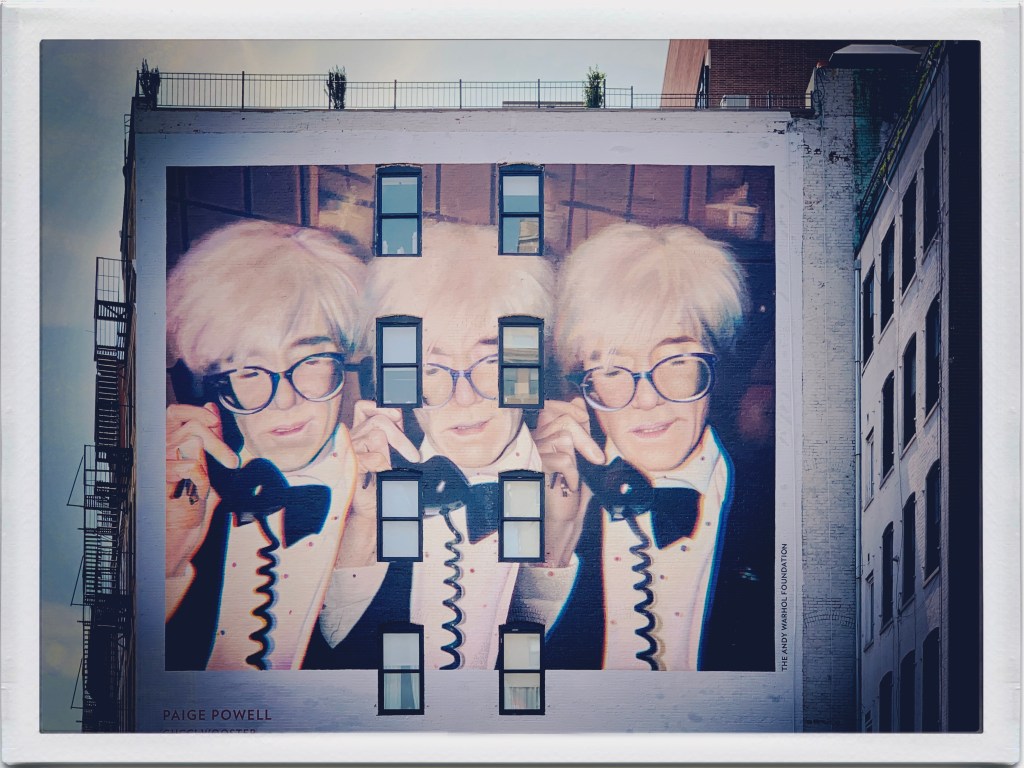
Making Digital Photos into Fake Polaroids:
Artistic Process or Cheating?
Via the magic of social media, I am a member of many virtual groups, mostly related to creativity, art, and photography. A few of my virtual “friends” have crossed over into the real world and become true, physical friends, with whom I’ve shared coffee, food, drinks, hugs, visits to museums, and numerous photo-walks.
My “crossover” friends are primarily from groups of creators working and playing with digital camera and editing apps like Hipstamatic for iPhone. Such apps provide camera systems which exploit and enhance the underlying phone cameras, editing tools, preset filters, options to create new filter combinations, and ways to manipulate image properties.
What’s a Fauxlaroid?
FAUX (French) + POLAROID = FAUXLAROID
Faux = Fake, but maybe “simulated” is more accurate, but “simu-roid” kinda ruins the vibe! A “fauxlaroid” is simply a digital image shot on any device and/or edited to look like a simulated or “FAUX” instant photograph. And, of course, “LAROID” is a reference to POLAROID cameras, films, and the instant photographs made using them. So, in summary:
A “fauxlaroid” is any digital photograph which simulates the look-and-feel of a Polaroid or other type of instant (analog) photograph.
Instant Look-and-Feel
What makes a digital photo “look-and-feel” like a Polaroid or other type of instant photo? Well, the most obvious and literal physical elements can be digital borders made to look exactly instant film borders, effects that simulates chemical paste residue at the edges, developer errors, aberrations, textures, or warps and wrinkles like photo paper.
The visual elements of a digital photo which give it an instant (analog) look-and-feel — as I mention on my instant photography page — may include softness, vignetting, flash artifacts, light-leaks, aberrations, film-like contrasts, tones, and colors. Some or all of these physical and visual elements may be found in any decent fauxlaroid… 🙂
Making Fauxlaroids
There are four elements which may be used to make Fauxlaroids:
- Digital Photo — captured with native camera on mobile phone, or a standalone digital camera of any kind — the starting point.
- Camera App — many camera-phone apps use built-in effects, which include some with fauxlaroid options (like Hipstamatic).
- Editing App — many image-edit-phone apps offer film-like effects to apply/modify, including fauxlaroid options (like Hipstamatic).
- Instant Printer — not mentioned in the definition or look-and-feel sections above, but there are many different devices available today for printing digital photos directly to Polaroid or Instax instant film — the results certainly qualify as Fauxlaroids! 🙂
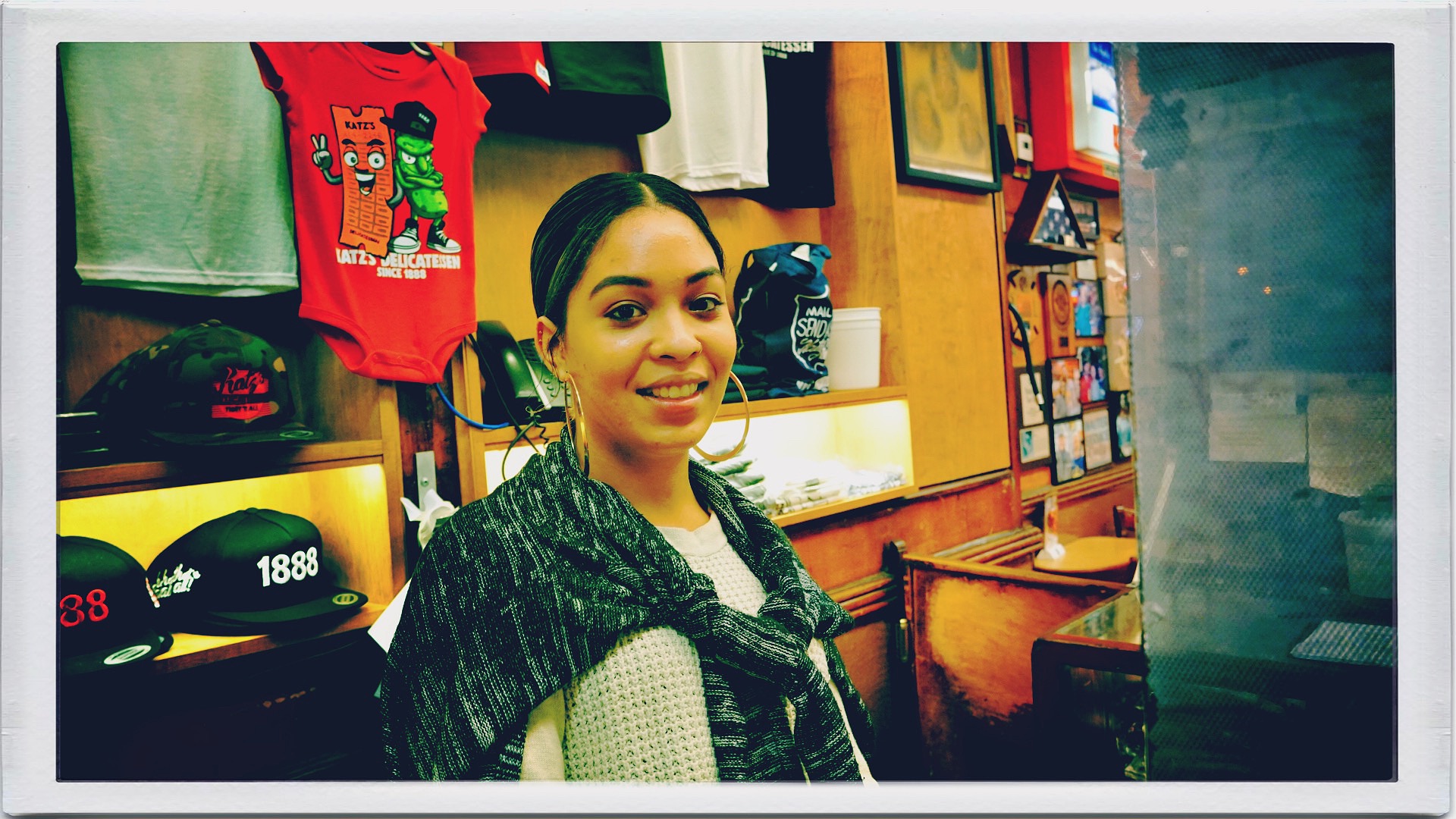
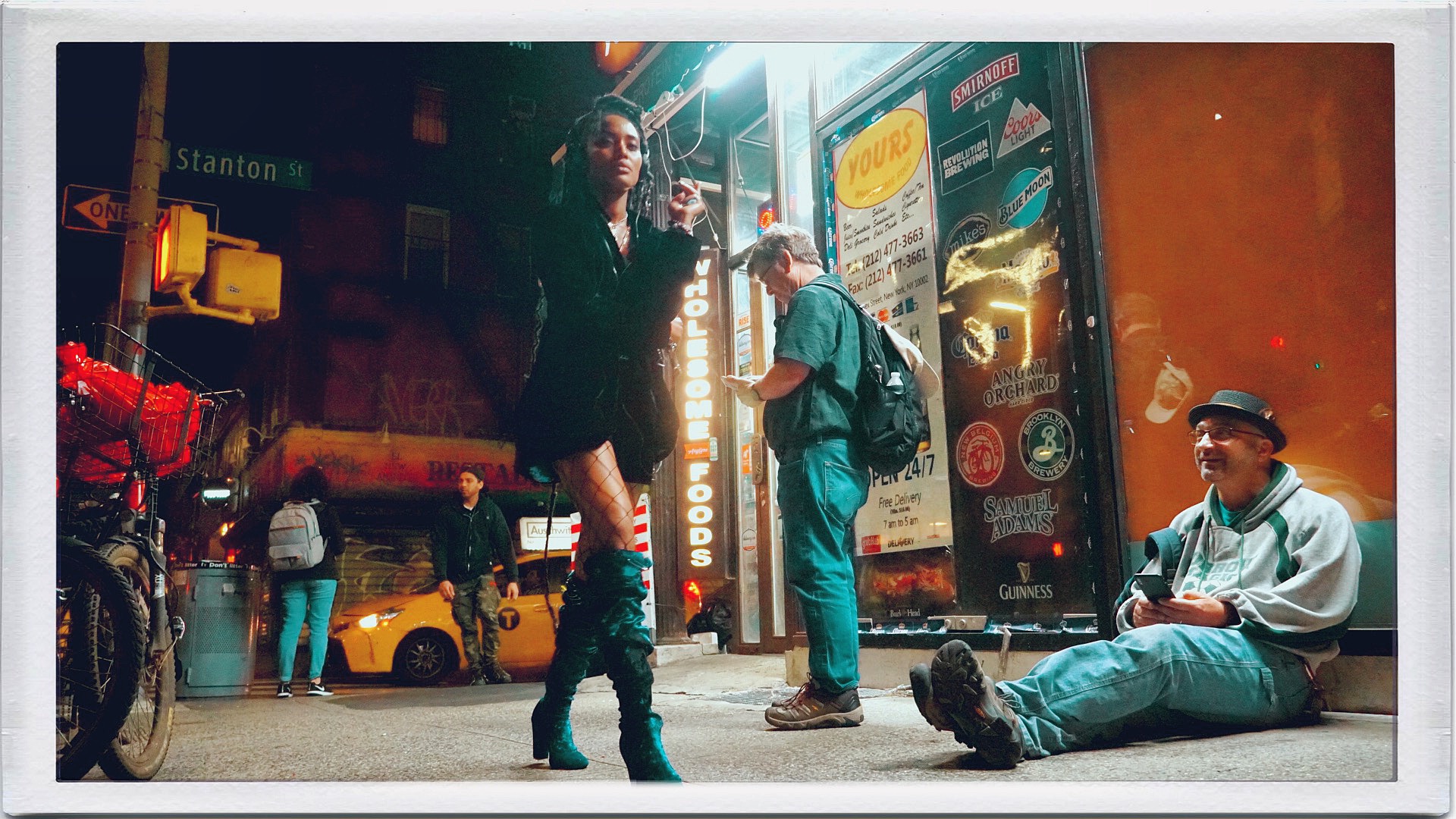
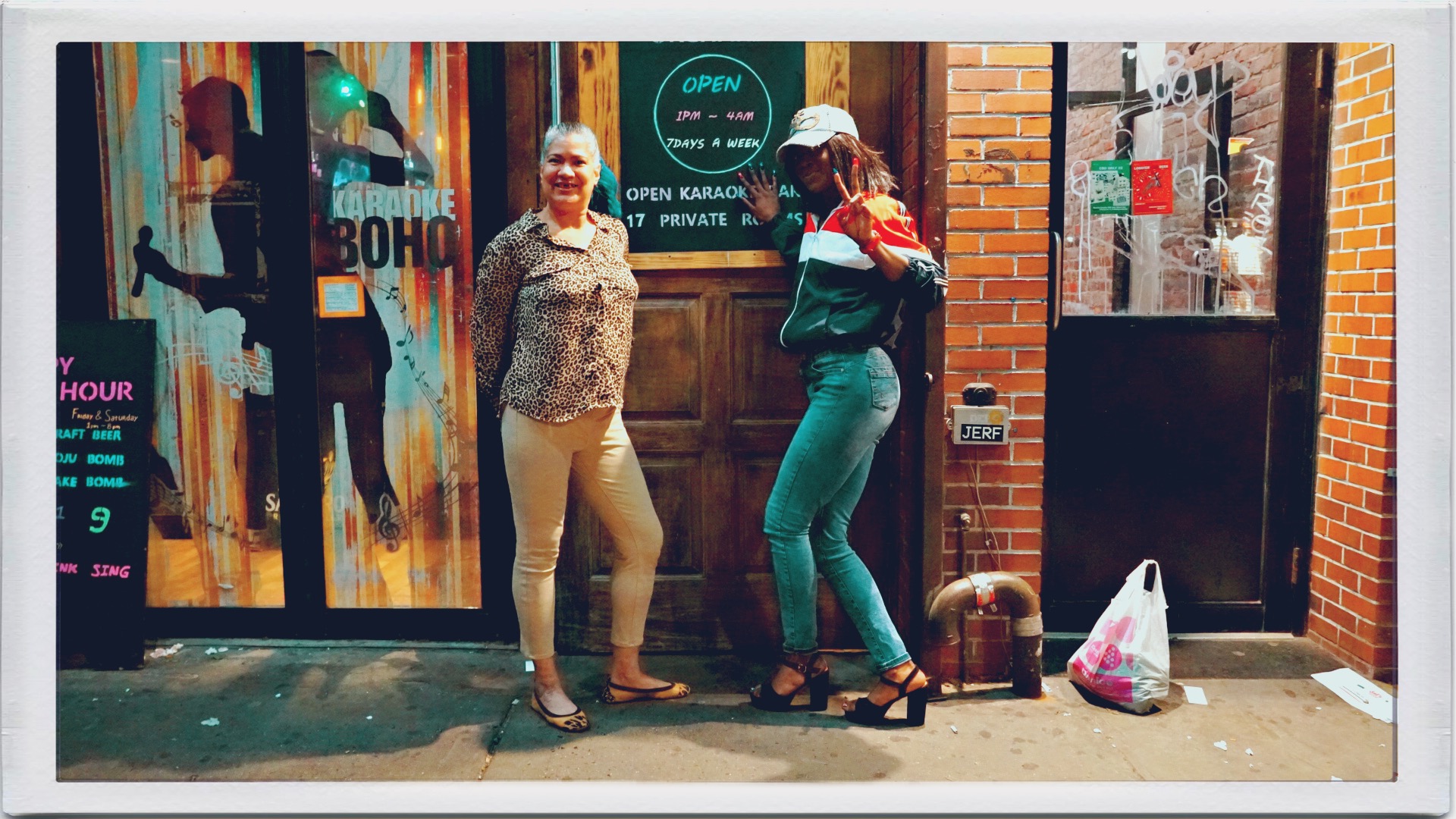
A Few of My Fauxlaroids
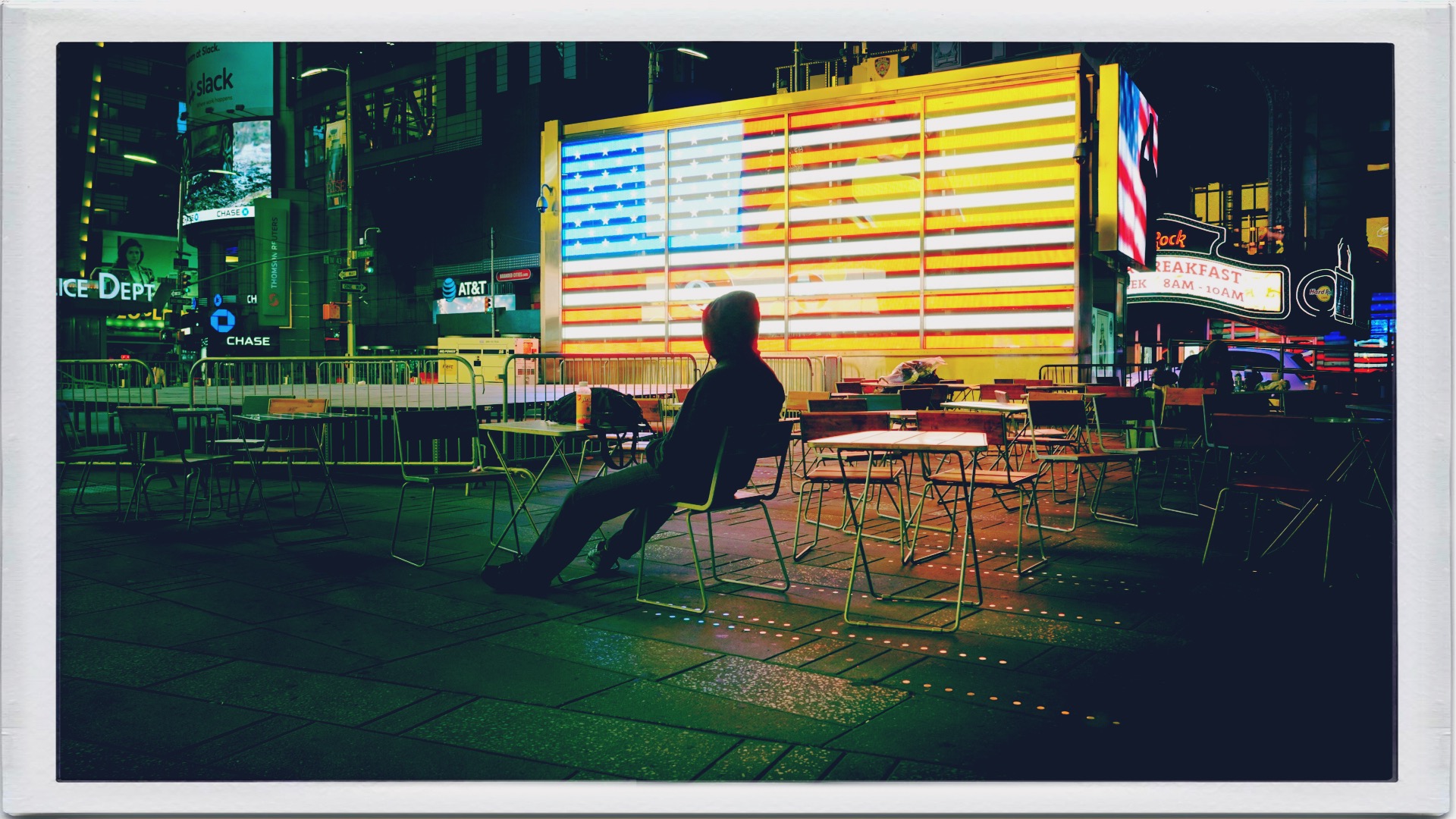
Shot on SONY Alpha 6500:




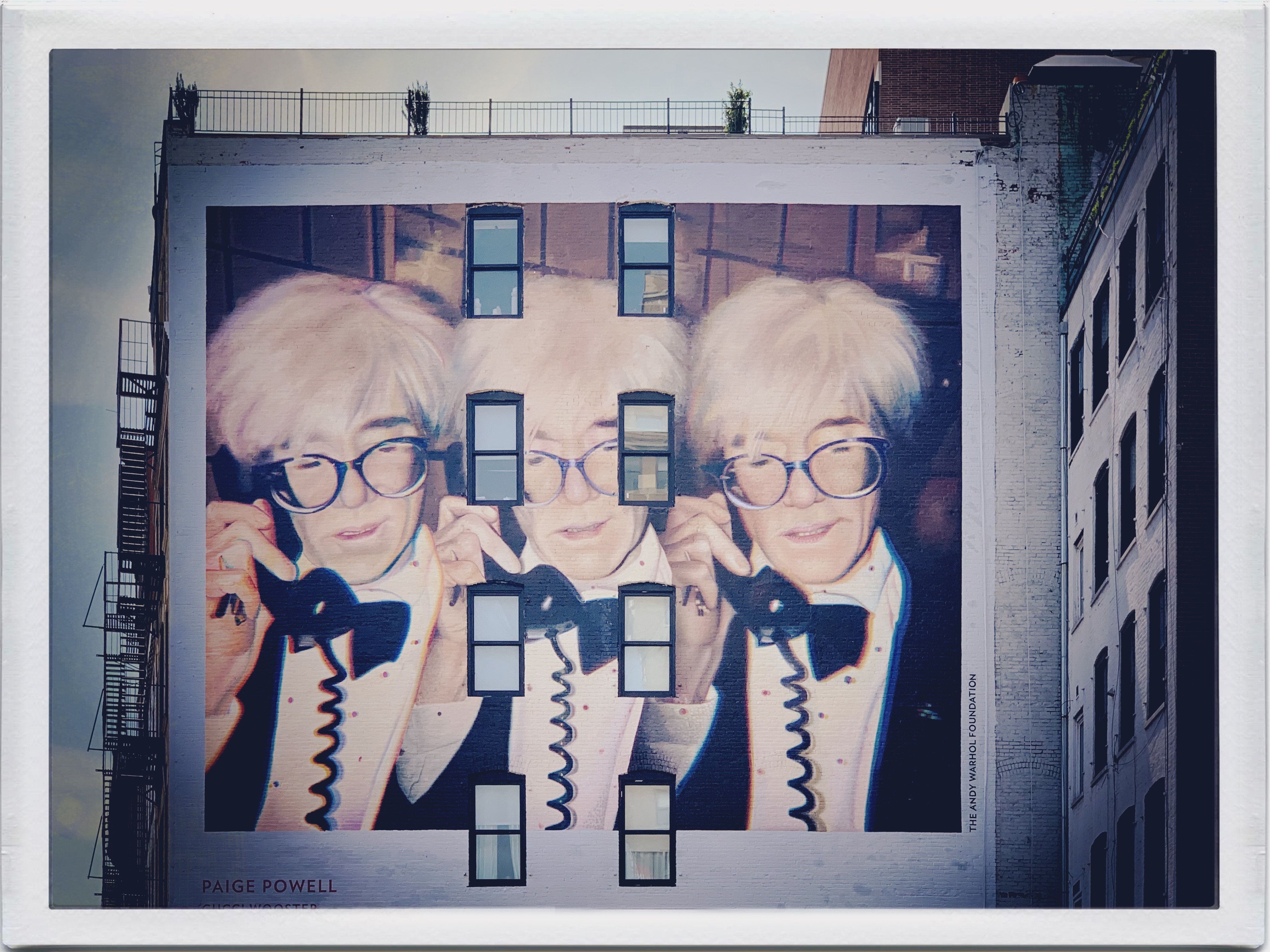
Shot on iPhone (various):


Personal Fave Fauxlaroid Ever (my grandson):

Please comment below if you create any fauxlaroids of your own — I’d love to see the results!
 russ murray