
Digital Edits on Scanned Film:
Artistic Process or Cheating?
I scan all my instant and other film photos, and digitally edit the crap out of a select few, so — depending on your POV — I might be an artist, a cheater, or a little of both.
I discussed the idea of making such analog-digital instant-edit-hybrid photographs — which I call “DIGIROIDS” — with a friend. He is a noted filmmaker, photographer, and artist in France, who loves instant and other film photography as much as I do.
I asked him, “Is it cheating?” He replied, “No, it’s NOT.”
So, if it’s not cheating, I guess my digital edits on scanned Polaroid and other instant photos makes me a “digiroid” or “Hipstaroid” artist.
Wait. What’s a Hipstaroid?
Hipstamatic + Polaroid = Hipstaroid
Hipstamatic is an award-winning camera and image-editing app for the iPhone, which was launched in 2010, one year before Instagram. And of course, there’s no need to explain Polaroid! I just borrowed the “roid” part of their name as a recognizable reference to any Polaroid cameras, films, and/or photos made using them.
So, a “Hipstaroid” is any instant (or film) photograph, scanned into a digital format, and edited in the Hipstamatic app. Got it?
The Hipstaroid Artistic Process:
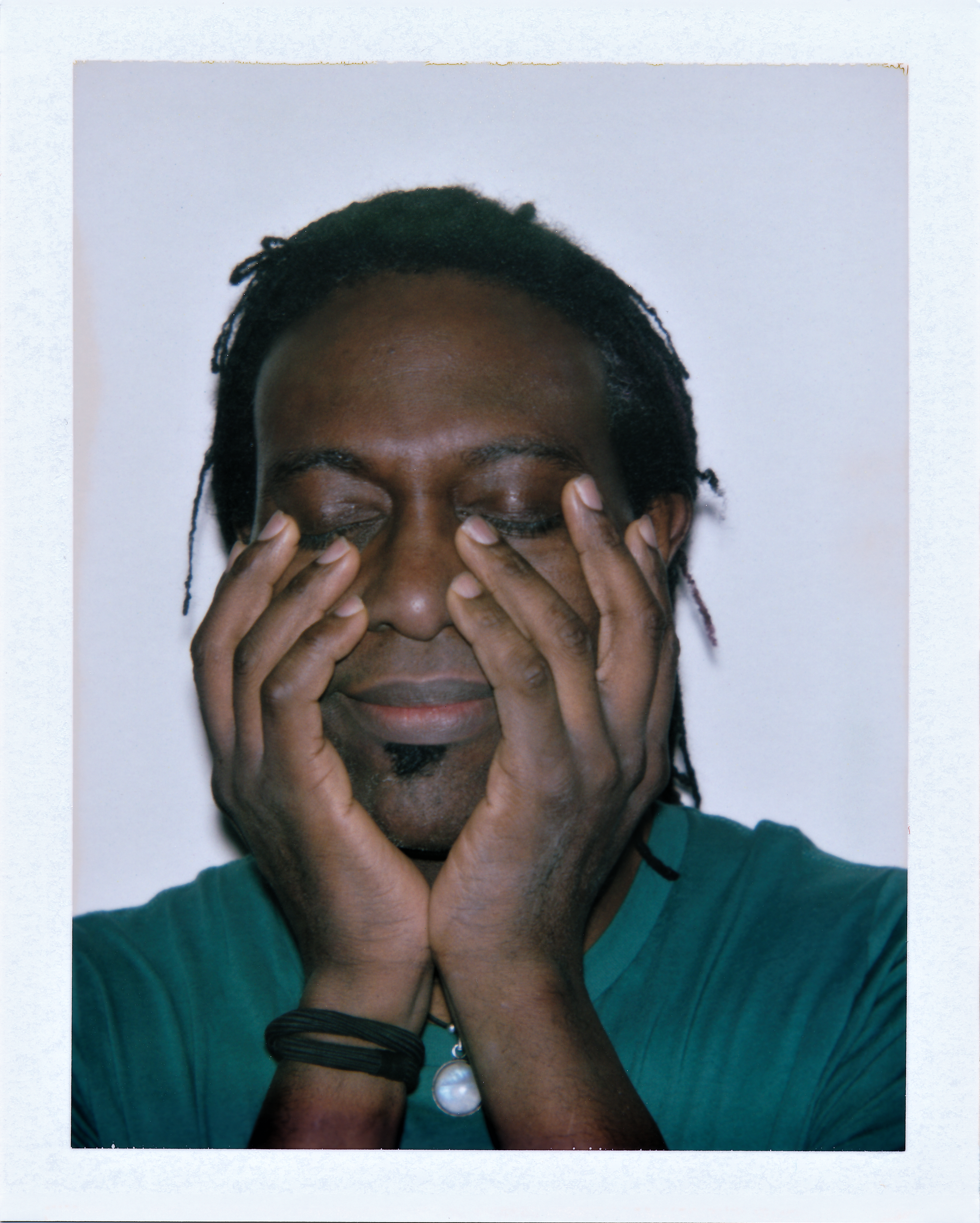
- Make a photograph on instant or other film.
- Scan the instant photo, film negative or positive.
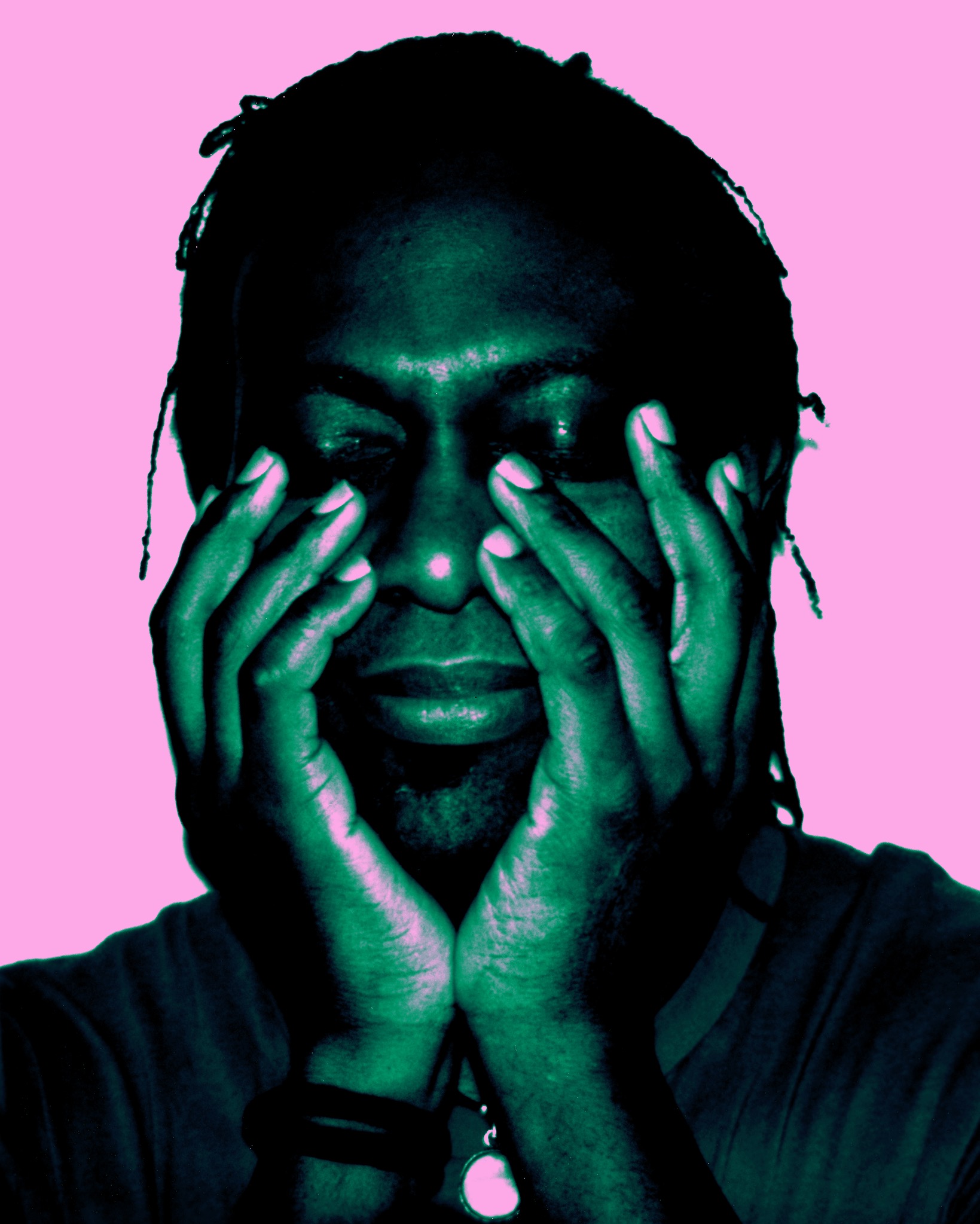
- Edit the scanned photo in the Hipstamatic app (iPhone only).
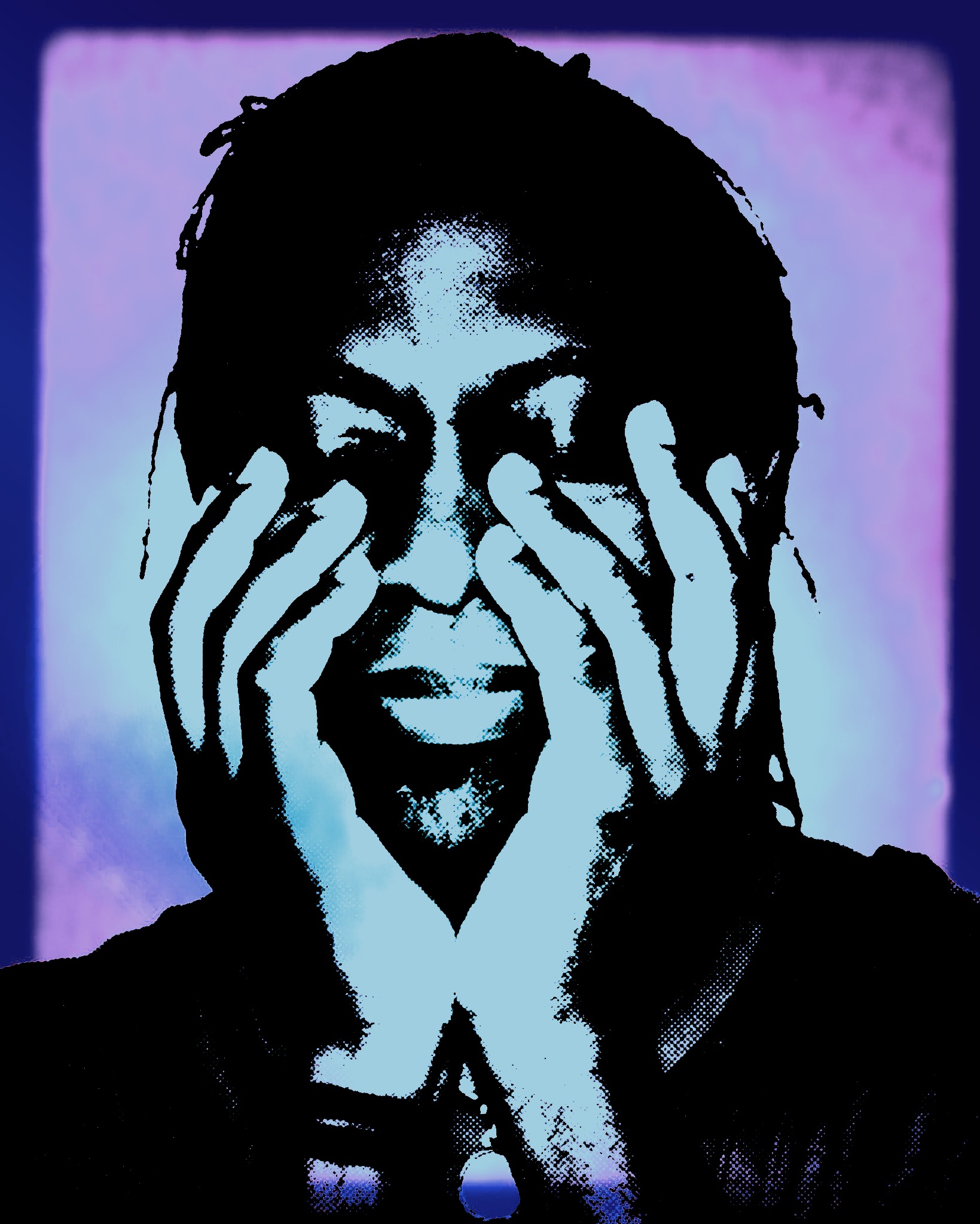
- Make edits over the existing edits repeatedly for softer, less realistic, more painterly and “posterized” results.
- Edits-on-edits are referred to as “double- or triple-baked” etc.
- Stop editing when you are satisfied, having created something completely different from your original instant or film photo!
Making a Hipstaroid:





Please comment below if you make your own Hipstaroids or any kind of digiroids!
 russ murray